
Empirically-Supported Treatments for ADHD in Children: Helping Parents, Kids, and Teachers Do Their Best
for professionals in behavioral health and psychologists
Presented by Dr. Margaret Sibley
Archived Web Content Notice
This webpage and its contents are archived and maintained for historical, research, or recordkeeping purposes only. It is not actively updated and may not comply with current accessibility standards. If you need an accessible version of this webpage or its contents, please contact Joseph Ciarmataro (University of Nebraska Public Policy Center) via email at jciarmataro@nebraska.edu or call 402-472-5678.
Videos
The following video is a recording of Dr. Margaret Sibley's training on “Empirically-Supported Treatments for ADHD in Children.”
Empirically-Supported Treatments for ADHD in Children: Helping Parents, Kids, and Teachers Do Their Best
(Dr. Margaret Sibley)
Description:
This presentation reviews best practices and professional practice guidelines for the screening and diagnosis of Attention Deficit Hyperactivity Disorder (ADHD) in childhood and adolescence. This training covers variations in practices by clinical setting, age, gender, and presentation. An overview of treatment best practices is provided separately for the childhood and adolescent contexts.
Date Presented: Tues., Sept. 16, 2025 9:00am – 12:00pm (Central)
Date Training Expires: Sept. 16, 2027
Objectives:
- Identify key components of evidence-based assessment of ADHD in children and adolescents.
- Explain the common elements of evidence-based non-pharmacological approaches for adolescents with ADHD.
Supporting Material

About the Speaker
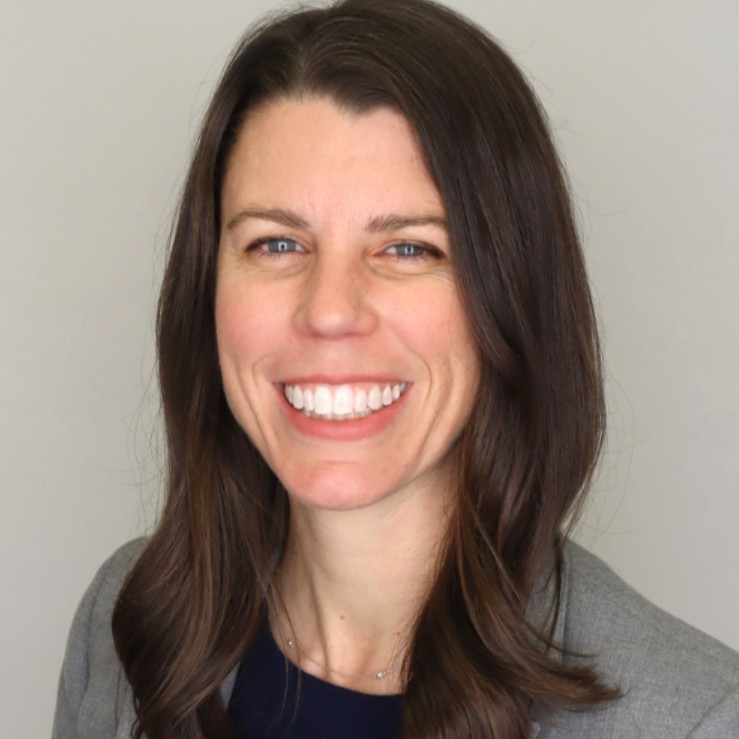
Margaret Sibley
PhD, Licensed Clinical Psychologist
Dr. Margaret Sibley is a Professor of Psychiatry and Behavioral Sciences at the University of Washington School of Medicine and a clinical psychologist at Seattle Children’s Hospital. She has authored over 120 scholarly publications on ADHD in adolescence and adulthood with research funded by the National Institute of Mental Health (NIMH) and the Institute of Education Sciences. She is Secretary of the American Professional Society for ADHD and Related Disorders (APSARD) and a Professional Advisory Board Member for Children and Adults with Attention Deficit Hyperactivity Disorder (CHADD).