
Peer Support & De‑escalation
for Nebraska Certified Peer Support Specialists (CPSS) and criminal justice
Presented by Chad Magdanz
Archived Web Content Notice
This webpage and its contents are archived and maintained for historical, research, or recordkeeping purposes only. It is not actively updated and may not comply with current accessibility standards. If you need an accessible version of this webpage or its contents, please contact Joseph Ciarmataro (University of Nebraska Public Policy Center) via email at jciarmataro@nebraska.edu or call 402-472-5678.
Videos
The following videos are Part 1 and Part 2 of Chad Magdanz’s training on the “Peer Support & De-escalation.” This presentation discusses safest practices and provides examples of de-escalation strategies with support in different environments.
Part 1:
Peer Support & De-escalation
(Chad Magdanz)
Part 2:
Peer Support & De-escalation
(Chad Magdanz)
Description:
Peer Support Specialists may find themselves in a variety of situations. De-escalation strategies are used to defuse a situation by allowing an individual to feel that their concerns are heard. De-escalation strategies help Peer Support Specialists provide safe services and prevent violence.
In this training, Peer Support Specialists learn de-escalation strategies. The training emphasizes the importance of being intentional with verbal and nonverbal communication, mindful of the purpose of the conversation, calm, and empathetic, as well as the importance of offering options.
De-escalation is an effective measure to provide both safety and dignity to us and the people we support!
Date Presented: Thurs., Feb. 22, 2024 9:00am – 12:00pm (Central)
Date Training Expires: Feb. 22, 2026
Objectives:
- Describe the process of de-escalation when working with individuals who are agitated.
- Define terms used in de-escalation strategies, including para-verbal and non-verbal communication.
- Describe safest practices and provide examples of de-escalation strategies with support in different environments.
Supporting Material


About the Speaker
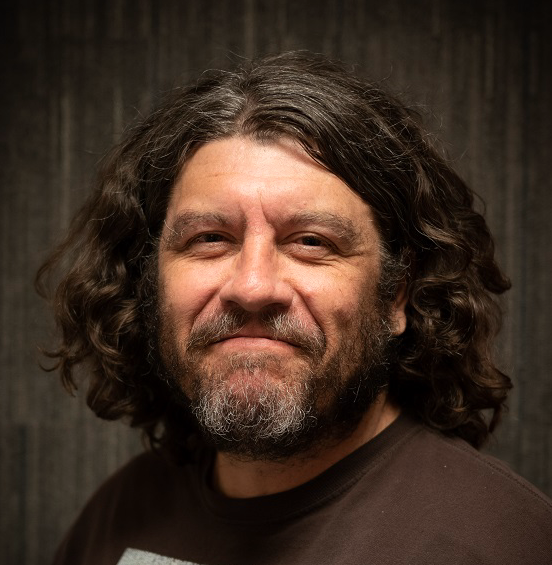
Chad Magdanz
Chad Magdanz has been a peer with the Mental Health Association of Nebraska (MHA-NE) in Lincoln since 2007. During this time, he has had the opportunity to help open and work at the Keya House, provide peer support in the psychiatric Emergency Room in the hospital in Lincoln and has co-facilitated the Wellness Recovery Action Plan (WRAP) to hundreds of individuals with the Department of Corrections. For the last 12 years, he has been the Program Coordinator with the Respond, Empower, Advocate, Listen (REAL) Program. The REAL Program is a free referral service created for law enforcement.