
Working with Mental Health and Criminogenic Factors in Justice‑Involved Populations
for professionals in psychology, behavioral health, social work, criminal justice, and substance use
Presented by Dr. Mark Lukin
Archived Web Content Notice
This webpage and its contents are archived and maintained for historical, research, or recordkeeping purposes only. It is not actively updated and may not comply with current accessibility standards. If you need an accessible version of this webpage or its contents, please contact Joseph Ciarmataro (University of Nebraska Public Policy Center) via email at jciarmataro@nebraska.edu or call 402-472-5678.
Videos
The videos below include Part 1 and Part 2 of Dr. Mark Lukin's training on Working with Mental Health and Criminogenic Factors in Justice‑Involved Populations.
Part 1
Part 1.1
(Dr. Mark Lukin)
Part 1.2
(Dr. Mark Lukin)
Part 1.3
(Dr. Mark Lukin)
Part 2
Part 2.1
(Dr. Mark Lukin)
Part 2.2
(Dr. Mark Lukin)
Part 2.3
(Dr. Mark Lukin)
Description:
PART 1: This training provides an integrated approach to dealing with consumers with mental health and substance use disorders who are involved in the criminal justice system. Part 1 provides an overview of mental health diagnoses with an emphasis on personality disorders and demonstrates how to encourage clients to embrace goals that are both self-serving and good for public safety.
Objectives:
- Describe mental health and criminal justice approaches to working with consumers and how to integrate these approaches.
- Identify DSM V Indicators of Personality Disorders, substance use disorders, and the roots of criminogenic behavior.
- Describe common challenges to integrating mental health and criminal justice approaches for consumers with mental health diagnoses who are involved in the criminal justice system.
Date Presented: Thurs., Dec. 9, 2021, 8:00am – 12:00pm Central
Date Training Expires: December 9, 2023
Description:
PART 2: In Part 2, special attention is paid to the integration of mental health and criminal justice approaches, balancing individual and community rights, and the use of risk assessment and risk management in directing services. Strategies for professional self-care, managing morale, and coping with “career critical incidents” is also discussed.
Objectives:
- Identify DSM V Indicators of Severe Mental Illness (Psychotic Spectrum and Bipolar Disorders).
- Identify how to work with allied health and criminal justice professionals to service criminal justice‑involved consumers.
- Demonstrate how to manage provider morale and avoid burnout that can delimit provider effectiveness.
Date Presented: Thurs., Dec. 16, 2021, 8:00am – 12:00pm Central
Date Training Expires: December 16, 2023
Date Presented: Thurs., Dec. 9, 2021, 8:00am – 12:00pm Central
Date Training Expires: December 9, 2023
Date Presented: Thurs., Dec. 16, 2021, 8:00am – 12:00pm Central
Date Training Expires: December 16, 2023
Supporting Material

About the Speaker
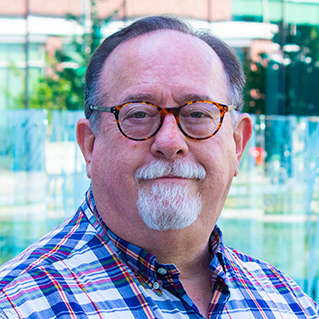
Dr. Mark Lukin
Dr. Mark Lukin is a licensed psychologist at the University of Nebraska-Lincoln Counseling and Psychological Services. Dr. Lukin worked for the Nebraska Department of Corrections for 15 years where he coordinated the Discharge Review Team, and at the Lincoln Regional Center for two and a half years. The Discharge Review Team screened inmates discharging from the Nebraska Department of Corrections to assess risk and develop safety plans for community placement. Dr. Lukin ran a community-based sex offender treatment program and conducted forensic evaluations for the Lancaster County Juvenile Court while at the Child Guidance Center (now HopeSpoke). He has also consulted at the Lancaster County Crisis Center, taught over 20 university courses primarily at UNL, and serves as a member of the Psychologist Licensing Board for the State of Nebraska.